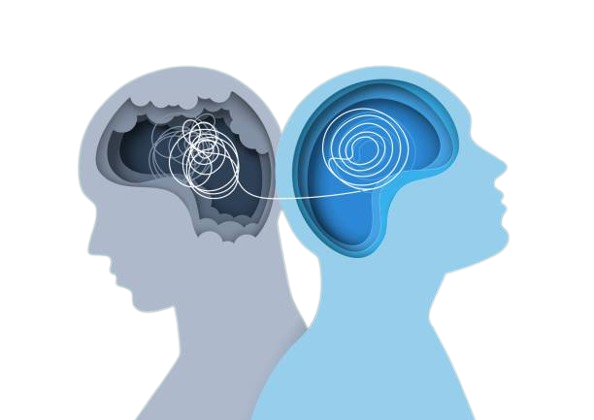
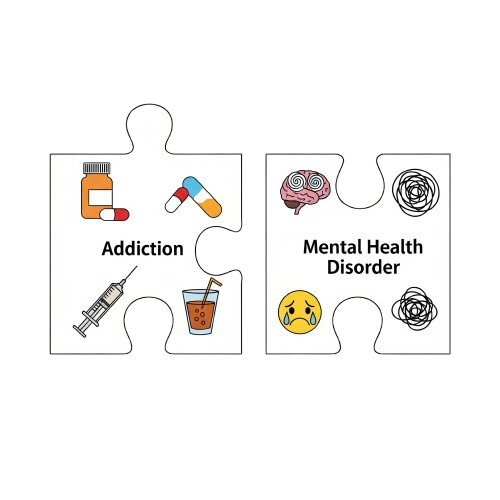
Addictions and concurrent disorders refer to the presence of both a substance use disorder and a mental health condition, such as depression, anxiety, bipolar, psychotic disorders, Personality Disorders, impulse control Disorders, etc. These disorders often interact and worsen each other, making diagnosis and treatment more complex. Common addictions include alcohol, khat, Cigarette, drugs, or behavioral issues like gambling. Individuals with concurrent disorders may struggle more with daily functioning and recovery. Treating one condition without addressing the other often leads to relapse or incomplete healing. An integrated, comprehensive approach is essential for effective and lasting recovery.
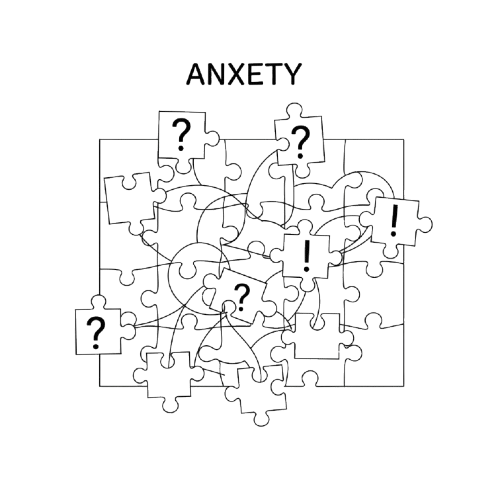
Anxiety is a common mental health condition characterized by excessive worry, fear, or nervousness that interferes with daily life. It can affect people of all ages and often presents with both emotional and physical symptoms, such as restlessness, rapid heartbeat, and difficulty concentrating. While feeling anxious occasionally is normal, persistent or intense anxiety may signal a disorder. Common types include generalized anxiety disorder, panic disorder, and social anxiety. Causes can range from genetics and brain chemistry to traumatic experiences and stress. With proper support, therapy, and sometimes medication. Anxiety is treatable and manageable.
Bipolar disorder is a mental health condition marked by extreme mood swings that include emotional highs (mania or hypomania) and lows (depression). During manic episodes, individuals may feel elated and feel overly energetic, talkative, or impulsive, while depressive episodes bring feelings of sadness, hopelessness, and fatigue. These shifts can affect sleep, judgment, behavior, and daily functioning. The exact cause is unknown, but it may involve genetic, environmental, and neurochemical factors. Bipolar disorder typically develops in late adolescence or early adulthood. Treatment often includes mood stabilizers, antipsychotics, psychotherapy, and lifestyle adjustments to manage symptoms effectively.
Borderline Personality Disorder (BPD) is a mental health condition marked by intense emotional instability, impulsive behavior, and difficulty maintaining stable relationships. People with BPD often experience rapid mood swings, fear of abandonment, and an unstable self-image. They may struggle with trust, engage in risky activities, or have patterns of intense but short-lived relationships. Self-harming behaviors and suicidal thoughts can also be present. These symptoms can significantly impact daily life, relationships, and overall functioning. With proper therapy and support, individuals with BPD can lead more stable and fulfilling lives.
Dementia is a group of symptoms affecting memory, thinking, and social abilities, commonly seen in older adults (geriatrics). It is not a specific disease but a result of various conditions, with Alzheimer’s being the most common cause. People with dementia may struggle with communication, daily tasks, and decision-making. Symptoms often worsen over time, affecting independence and quality of life. Geriatric care focuses on supporting older adults through medical, emotional, and social care. Early diagnosis and proper management can improve comfort and slow progression.
Eating disorders are serious mental health conditions involving unhealthy relationships with food, body image, and weight. Common types include anorexia nervosa, bulimia nervosa, and binge-eating disorder. These disorders often stem from emotional distress, low self-esteem, or a desire for control. People may restrict food, overeat, or purge, leading to severe physical and psychological consequences. Eating disorders can affect anyone, regardless of age or gender. Early intervention, therapy, and nutritional support are essential for recovery.
Intellectual Disability (ID), is a significant limitations in intellectual functioning and adaptive behavior.
Schizophrenia is a severe psychiatric disorder characterized by distortions in thinking, perception, emotions, and behavior. Individuals may experience hallucinations, delusions, disorganized speech, and impaired cognitive abilities. When schizophrenia occurs in individuals with intellectual disabilities. This dual presentation can make diagnosis and treatment more challenging due to overlapping symptoms and communication difficulties. Early detection, consistent psychiatric care, and supportive environments are vital for effective management. With proper treatment, individuals can achieve improved functioning and quality of life.
refers to cognitive and emotional damage resulting from severe psychological or physical experiences, especially in early development. It can impact memory, learning ability, and problem-solving skills, often mimicking or worsening intellectual disabilities. Traumatic events such as abuse, neglect, or chronic stress can disrupt brain development and impair cognitive functioning. Children and adults with intellectual trauma may struggle with emotional regulation and academic or social tasks. Early identification and trauma-informed care are essential for recovery and growth. Supportive therapy, stable environments, and specialized education can significantly improve outcomes.
Women’s mental health is shaped by unique biological, social, and cultural factors across the lifespan. Hormonal changes during menstruation, pregnancy, and menopause can influence mood and mental well-being. Women are also more likely to experience depression, anxiety, and trauma-related disorders due to gender-based violence and societal pressures. Stigma and lack of access to care often delay diagnosis and treatment. Addressing women’s mental health requires gender-sensitive, inclusive, and holistic approaches. Empowerment, education, and supportive services play a key role in promoting emotional resilience and recovery.
Autism Spectrum Disorder (ASD) is a neurodevelopmental condition that affects how a person communicates, interacts with others, and experiences the world around them. It is called a “spectrum” because symptoms and abilities vary widely—some individuals may have significant challenges with social interaction, language, or behavior, while others may have strong skills in certain areas such as memory, attention to detail, or problem-solving. Common features of ASD include difficulties with social communication, repetitive behaviors, restricted interests, and sensitivity to sensory input like sound or light. Although there is no cure, early diagnosis and supportive interventions—such as speech therapy, behavioral therapy, and educational support—can greatly improve quality of life and help individuals reach their full potential.